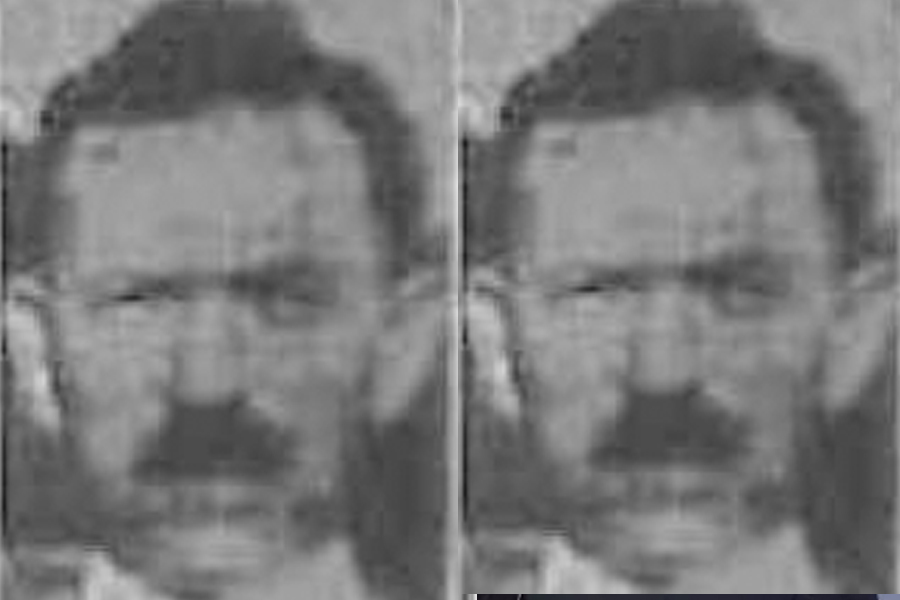
Early Life in Odessa and the Journey West
Zigman Zimmerman emerged from the eastern edge of the Russian Empire during the 1870s. His birth year remains uncertain, with records suggesting 1873, 1874, 1875, 1876, 1877, or 1878. That uncertainty itself is revealing, because immigrant lives were often recorded unevenly. Odessa, with its salt air and port traffic, formed the opening scene of his story. It was a place where departures mattered as much as arrivals.
He belonged to a generation shaped by instability, aspiration, and practical endurance. Many families from that world carried only names, habits, and a few remembered phrases across the ocean. The move to the United States in the early 1900s marked a decisive turn. By then, the immigrant economy demanded alertness, thrift, and relentless adaptation. Zigman learned those lessons quickly.
His early work centered on peddling and door to door trade. That kind of labor required patience, social tact, and a strong memory for debts and preferences. It also required courage, because each transaction depended on trust. In that sense, commerce became his apprenticeship in American life. He did not inherit security; he built it through repetition.
Duluth and the Making of a Household
Duluth became the family anchor after arrival in America. The city offered cold weather, harbor industry, and a pragmatic rhythm of life. It was not glamorous, but it was fertile ground for newcomers. Zigman’s efforts fit that environment well. He eventually operated a shoe business and later worked as a clerk.
These were modest occupations, yet they carried real social meaning. A shoe shop was a place of routine, need, and personal exchange. A clerkship demanded order, recall, and discipline. The ledger became as important as the storefront. In that setting, success meant stability rather than spectacle.
The family home likely revolved around ordinary but durable rituals. Meals, receipts, winter coats, and small domestic negotiations would have filled the days. Anna Zimmerman, his wife, shared that life with him. Their household embodied the labor of continuity. It linked the old world to the new through practice rather than proclamation.
Family Structure and Generational Continuity
The family tree connected Zigman to a lineage that later gained wide public visibility. His son, Abram Zimmerman, was born on October 19, 1911. Abram served as a bridge between immigrant beginnings and later cultural fame. He carried the family name forward into a new century.
The generational sequence reveals a remarkable expansion of influence. What began in a small retail setting eventually touched music, film, and public creativity. That transformation did not arise from wealth. It arose from inheritance of temperament, discipline, and memory. The family table below summarizes the main relationships.
| Name | Relationship | Born | Notes |
|---|---|---|---|
| Anna Zimmerman | Wife | c. 1878 | Odessa origin and immigrant household life |
| Abram Zimmerman | Son | 1911 | Later father of Robert Allen Zimmerman |
| Robert Allen Zimmerman | Grandson | 1941 | Later known as Bob Dylan |
| David Zimmerman | Grandson | 1941? | Associated with music production |
| Jakob Dylan | Great grandson | 1969 | Musician and band frontman |
| Jesse Dylan | Great grandson | 1966 | Film director and creative producer |
| Desiree Gabrielle Dennis Dylan | Great granddaughter | 1986 | Actress with public visibility |
| Anna Dylan | Great granddaughter | Unknown | Private life |
| Samuel Dylan | Great grandson | Unknown | Private life |
| Maria Dylan | Great granddaughter | Unknown | Private life |
This lineage matters because it shows how family identity changes without vanishing. Abram’s 1911 birth placed him in a different national moment from his father. He grew up in a world where American modernity was already taking shape. Yet the emotional architecture of the family remained rooted in immigrant persistence. That continuity helped define later generations.
Domestic Detail and Private Memory
Private life often leaves the faintest evidence, yet it shapes memory most deeply. One can imagine a kitchen in Duluth, a kettle steaming, and winter clothing drying near a stove. One can imagine Anna handing a coat to Abram, while Zigman counted receipts by lamplight. Such scenes may never enter official records, but they define household gravity.
Addresses also preserve a domestic map. E Fifth Street, Lake Avenue, and First Avenue suggest a practical urban geography. These were not ornamental places. They were coordinates of routine. Families build identity by repeated movement through such streets. Over time, those movements become memory.
Zigman died in July 1936. That date closes one chapter with unusual precision. Death years often matter less than the texture of the life preceding them. Here, however, July 1936 acts as a historical marker. It fixes the end of a small commercial life within a larger American century.
Work, Money, and Measured Achievement
Zigman’s career never crossed into large scale wealth. His business life remained local, restrained, and functional. A shoe shop and clerical work rarely produced grand fortunes. They produced wages, dignity, and a basic platform for family continuity. That was achievement of a quieter kind.
The available picture suggests no corporate holdings or extravagant estates. Instead, the important assets were smaller. Shop furnishings, ledgers, inventory, and customer relations formed the economic texture of his world. Those items may seem unremarkable, yet they sustained a family through difficult decades. In immigrant households, modest assets often carried disproportionate importance.
His significance lies less in financial scale than in historical consequence. A grandson later became one of the most influential songwriters in modern culture. That fact reframes Zigman’s life without diminishing its ordinariness. He did not need fame to matter. His labor contributed to the conditions from which later creativity emerged.
Timeline of Key Dates
The chronology of the family can be presented as a compact sequence. Each date marks a transition rather than an isolated event.
| Year or Date | Event |
|---|---|
| c. 1873 to 1878 | Birth of Zigman Zimmerman in Odessa |
| 1907 to 1910 | Emigration to the United States |
| October 19, 1911 | Birth of Abram Zimmerman |
| 1920s | Shoe shop ownership and retail work in Duluth |
| July 1936 | Death of Zigman Zimmerman |
| May 24, 1941 | Birth of Robert Allen Zimmerman |
| 1966 to 1974 | Family members enter music, film, and related creative fields |
These dates give the life shape without overdramatizing it. A century becomes legible through a few fixed points. Birth, migration, work, family, and death form the central arc. Around that arc, later generations added new forms of public identity.
Cultural Afterlife of an Immigrant Name
The surname Zimmerman gained wider resonance through Robert Allen Zimmerman, later known as Bob Dylan. That transformation did not erase the earlier family story. It amplified it. The name that once belonged to a peddler and shopkeeper entered a global artistic register. Such shifts are rare, but they do happen.
The family’s later public figures extended that legacy in multiple directions. Jakob Dylan became a musician. Jesse Dylan became a director and producer. Desiree Gabrielle Dennis Dylan pursued acting. These careers differ in medium, but they share visibility and creative labor. The line from a Duluth shop counter to artistic production is long, yet traceable.
This trajectory also clarifies how immigrant families transmit more than property. They transmit habits of adaptation, self-presentation, and endurance. They transmit names that can be remade by later generations. Zigman’s descendants did not simply inherit a surname. They inherited a structure of persistence.
Key Takeaways
Zigman Zimmerman’s life reflects the broader immigrant pattern of the late nineteenth and early twentieth centuries. He began in Odessa, crossed into the United States in the early 1900s, and settled in Duluth. His work as a peddler, shoe व्यापारी, and clerk placed him inside the ordinary economy of survival.
His family history is the most enduring part of his legacy. Anna Zimmerman formed the household with him, and Abram Zimmerman linked him to a later generation. Through Abram came Robert Allen Zimmerman, later Bob Dylan, and a wider artistic family network. The lineage shows how modest origins can produce large cultural consequences.
The most important dates remain clear. Zigman was born sometime in the 1870s. Abram was born on October 19, 1911. Zigman died in July 1936. Robert Allen Zimmerman was born on May 24, 1941. Those dates sketch a family history that moved from port cities and retail labor into music, film, and public memory.