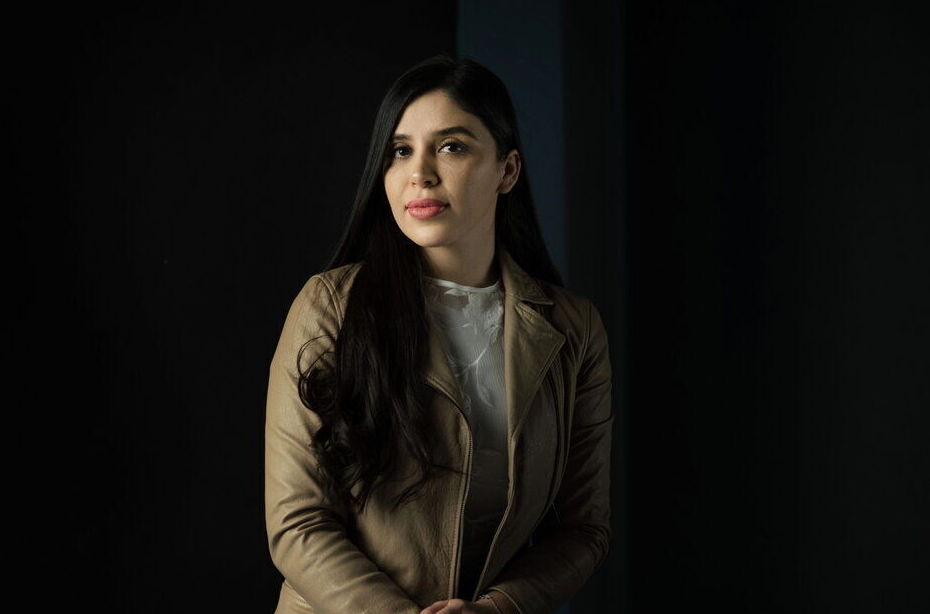
Origins and Early Life
Blanca Estela Aispuro Aispuro was born in 1958 in Canelas, Durango, a rugged rural municipality. Her early years unfolded amid livestock ranching and small scale agriculture. She completed secondary school locally, then entered domestic life full time. That path made her seem conventional for decades. Yet later events showed a far more tenacious legal temperament.
Since 2019, she has used amparo filings to defend her assets and personal freedom. This shift revealed a more litigious side than her homemaker label suggests. Her public image remains quiet, but her filings drew judicial attention. By June 2025, the federal registry showed no open warrant against her. That status became central to her present profile.
| Attribute | Detail |
|---|---|
| Year of birth | 1958 |
| Place of birth | Canelas, Durango, Mexico |
| Education | Secondary school in Canelas |
| Primary occupation | Homemaker and legal petitioner |
| Current residence | Durango City, Durango, Mexico |
Marriage and Family Ties
On April 4, 1982, Blanca Estela married Inés Coronel Barreras in Durango. He was widely known as El Uno and El Suegro. His family ties reached Ignacio Coronel Villarreal, killed by federal forces in 2010. The marriage linked her household to a powerful and troubled regional lineage. Their world revolved around ranches, kinship, and guarded social circles.
Available records do not place Blanca Estela inside narcotics cultivation or transport. The material instead presents her as a domestic figure near cartel linked enterprises. That distinction matters when separating family association from personal accusation. Her husband remained in detention after his 2013 arrest. He was later sentenced in 2023.
| Date | Event | Detail |
|---|---|---|
| April 4, 1982 | Marriage | Blanca Estela married Inés Coronel Barreras in Durango |
| April 13, 2013 | Arrest | Inés Coronel Barreras was detained in Agua Prieta |
| September 15, 2023 | Sentencing | Inés Coronel received a 10 year sentence |
Children and Interwoven Public Attention
Blanca Estela and Inés Coronel Barreras have four children. Omar, Emma, Claudia, and Édgar each followed a different public trajectory. Their names became familiar for legal trouble, media attention, or digital visibility. The family pattern gave the clan unusual notoriety across Mexico and beyond. Each child also reflected a different moment in the family’s long decline.
Omar was detained in Sonora in April 2013. Emma married Joaquín El Chapo Guzmán in 2007 and later served a sentence. Claudia built an Instagram and TikTok presence from 2021 onward. Édgar was arrested in July 2015 for his role in the Altiplano tunnel episode. Together, they formed a multigenerational public record.
Emma’s marriage to El Chapo amplified the family’s visibility across borders. Claudia’s influencer role presented a different, softer image. Omar and Édgar faced federal proceedings that drew relentless attention. These contrasting paths made the household difficult to categorize. It became part rural dynasty and part legal dossier.
| Child | Year of Birth | Key Event | Legal Status as of June 2025 |
|---|---|---|---|
| Omar Inés Coronel Aispuro | 1980 | Arrested alongside his father in 2013 | Released on bail, charges pending |
| Emma Coronel Aispuro | 1989 | Married Joaquín Guzmán in 2007 | Served 36 months, released in 2023 |
| Claudia Coronel Aispuro | 1992 | Social media presence since 2021 | No criminal charges |
| Édgar Coronel Aispuro | 1995 | Arrested in 2015 over the tunnel case | In custody, serving sentence |
Legal Maneuvers and Amparos
Her legal battles began to appear prominently in 2016. She filed an amparo to recover a 2015 Mustang that authorities sought to seize. The case rested on ownership documents, not criminal accusations. A temporary suspension paused the confiscation process. That result gave her an early procedural victory.
In August 2023, she obtained another provisional suspension against arrest. The measure later changed in December, and an appeal remained pending. A constitutional hearing was scheduled for February 2025. By June 2025, public registry checks still showed no active warrant. Her legal strategy relied on procedural protection, not public confrontation.
| Year | Legal Action | Outcome |
|---|---|---|
| 2016 | Amparo for a 2015 Mustang | Temporary suspension granted |
| 2023 | Suspension against arrest | Provisional protection obtained in August |
| 2023 | Later procedural change | Measure revoked in December |
| 2025 | Constitutional hearing | Scheduled for February 2025 |
Blanca Estela’s defense emphasized the absence of proof linking her to narcotics or laundering. That argument framed her as a citizen using constitutional tools. It also highlighted the distance between family notoriety and individual culpability. Her case illustrates how legal procedure can become a shield. It can also become a long and exacting contest.
Daily Life and Public Discretion
Despite her family name, Blanca Estela keeps a restrained digital footprint. She reportedly lives in a middle class neighborhood of Durango City since January 2024. Her social media presence is private and limited to fewer than 500 followers. Posts reportedly favor family milestones and grandchildren’s school events. Such discretion sharply contrasts with her children’s louder public profiles.
From 2022 to 2024, she reportedly volunteered at church soup kitchens. She also appeared at local community gatherings in Canelas over several years. Those activities portray a woman rooted in neighborhood routines. They also complicate the simple stereotype of a cartel family matriarch. Her day to day image remains quieter than her surname.
Her public behavior suggests an austere and measured temperament. She has avoided flamboyance, interviews, and overt self promotion. That reserve makes her harder to read than her relatives. It also softens the sensationalism often attached to her family. In practice, she appears more reticent than notorious.
Key Takeaways
Blanca Estela Aispuro Aispuro occupies an unusual place in Mexican public life. She is neither a cartel boss nor a public celebrity. Instead, she stands at the intersection of kinship, litigation, and inherited notoriety. Her biography mixes rural origins, domestic labor, and persistent legal defense. The result is a portrait of resilience under intense scrutiny.
The material shows a family shaped by repeated arrests and international attention. Yet it also shows Blanca Estela asserting procedural rights with unusual persistence. Her case demonstrates how private lives can become public through association. It also shows how legal tools can shield property and liberty. That combination remains central to her ongoing profile.